What this site is
Between 1933 and 1945, the block around the former Prinz-Albrecht-Straße — today's Niederkirchnerstraße — housed the central institutions of Nazi persecution: the Secret State Police (Gestapo) headquarters with its in-house prison, the leadership of the SS, and from 1939 the Reich Security Main Office. Decisions taken here reached across occupied Europe. After the war the bombed buildings were demolished and the ground lay neglected, partly in the shadow of the Berlin Wall, until citizens' initiatives in the 1980s pushed for the site to be uncovered and documented.
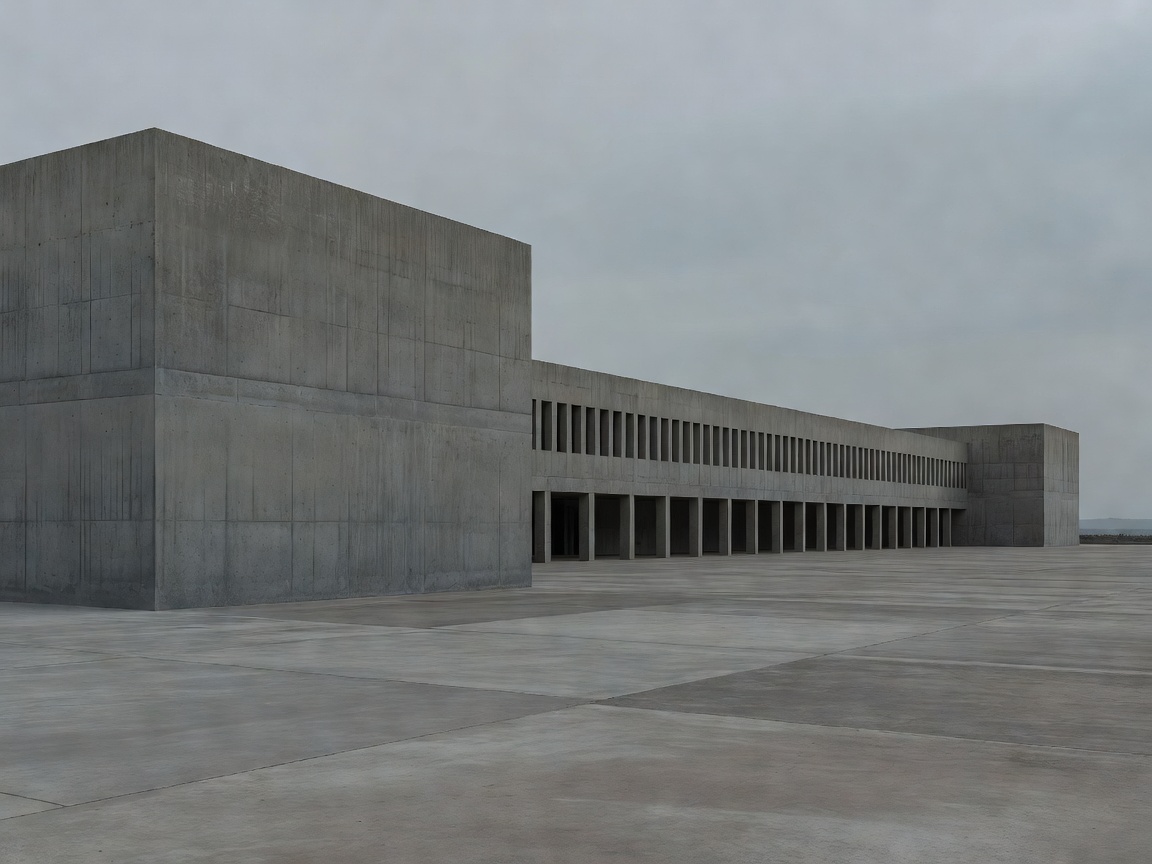
A provisional open-air exhibition grew into a permanent institution. The current documentation centre, a low, grey pavilion surrounded by a field of grey gravel, opened in 2010 after an earlier design for the site was abandoned. The austerity is intentional: there is no attempt to recreate the past, only to document it.
The exhibitions
- The permanent indoor exhibition traces the Gestapo, SS and Reich Security Main Office: their personnel, their methods, and the crimes committed across Europe, largely through documents and photographs. Panels are in German and English.
- The outdoor exhibition runs along a trench beside the excavated cellar walls and focuses on Berlin between 1933 and 1945, from propaganda to terror in the city itself.
- The grounds carry information stations marking where buildings once stood, including the remains of the Gestapo prison cellars.
- The Berlin Wall segment along Niederkirchnerstraße is one of the longer surviving stretches in the city centre — two layers of German history on one street.
- Temporary exhibitions and a reference library add depth for those researching specific topics.
Admission and opening times
Admission to all exhibitions and the grounds is free. The centre is regularly open daily from 10:00 to 20:00, with closures on a small number of public holidays around the end of the year. The outdoor exhibition follows the same pattern. The foundation also offers public tours and educational programmes — check the schedule on the official Topography of Terror website before you go.
Getting there: routes
- S Anhalter Bahnhof (north–south S-Bahn lines) — a few minutes' walk.
- U6 Kochstraße — walk west along Niederkirchnerstraße, passing near Checkpoint Charlie.
- S+U Potsdamer Platz — around ten minutes on foot via Stresemannstraße.
Suggested route: walk south from Tiergarten and the Brandenburg Gate via Potsdamer Platz, spend the late morning here, then take the U2 from Potsdamer Platz directly to Eberswalder Straße for the Museum in the Kulturbrauerei.
Who it suits
The content is serious and often harrowing, with photographs of violence and persecution. It suits adults and older teenagers; parents of younger children should preview the material. Visitors who want context before visiting Berlin's memorials will find it an excellent foundation.
Pros and cons
Pros
- Free, with long daily opening hours
- Authentic historical site
- Clear, bilingual, document-based exhibits
- Combines indoor and outdoor sections
Cons
- Text-heavy; demands concentration
- Emotionally demanding
- Busy with school groups at times
- Outdoor section exposed to weather
Compared with nearby free memorials
The Information Centre beneath the Memorial to the Murdered Jews of Europe focuses on the victims and their individual stories; the Topography of Terror focuses on the perpetrators and their institutions. Seeing both gives a fuller picture. For the post-war division of the city, the free outdoor Berlin Wall Memorial on Bernauer Straße is the natural companion.
Practical tips
- Visit in the late afternoon for a quieter experience — the long evening hours help.
- Allow at least two hours; the indoor exhibition alone rewards that.
- Lockers and a café are available on site; check current availability.