A brewery, a foundation, a free museum
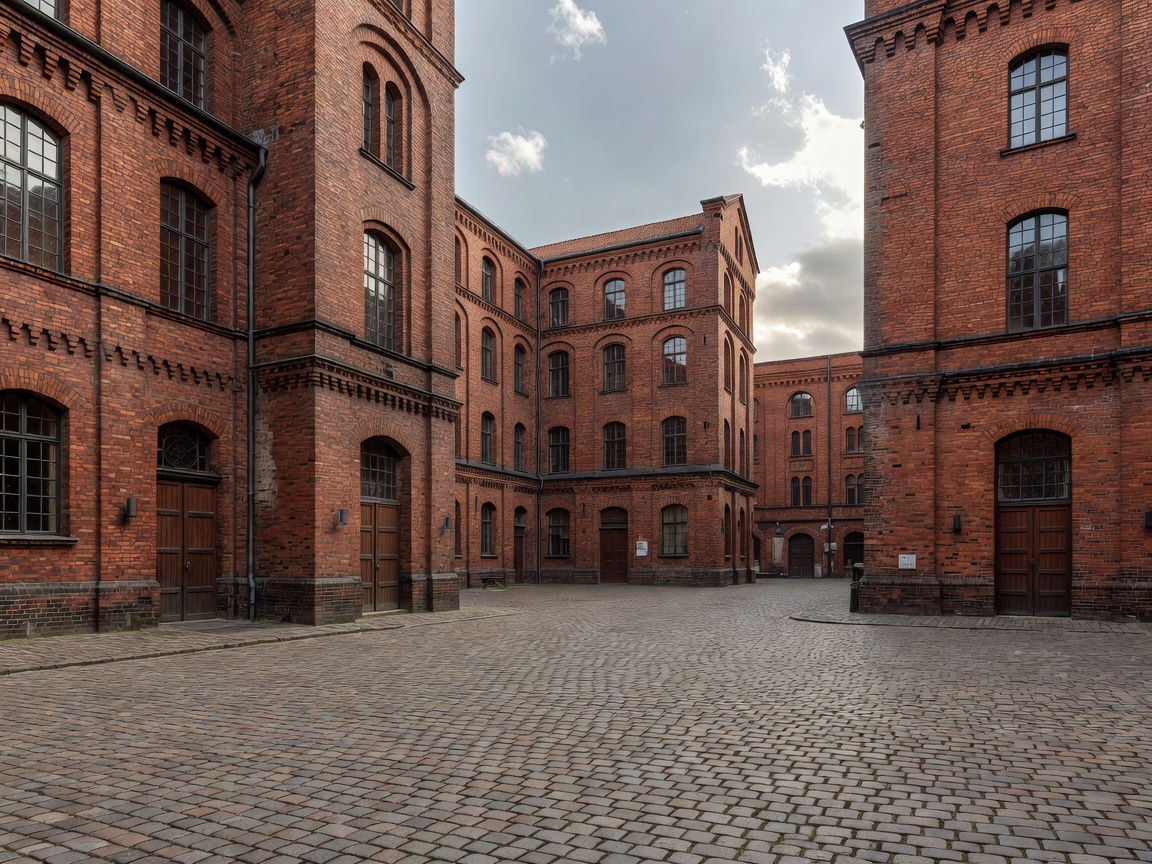
The Kulturbrauerei is a large complex of red and yellow brick buildings in Prenzlauer Berg, originally built for the Schultheiss brewery in the late nineteenth century to designs by the architect Franz Schwechten. Brewing ended long ago; today the courtyards host a cinema, event venues, restaurants and studios. One wing holds the Museum in the Kulturbrauerei, run by the Stiftung Haus der Geschichte der Bundesrepublik Deutschland — the federal foundation for contemporary German history, which does not charge admission at its museums.
Its permanent exhibition, "Everyday Life in the GDR", opened in 2013. It is compact, well designed and bilingual, and it answers a question that many visitors to Berlin have: what was it actually like to live on the other side of the Wall?
What the exhibition covers
The exhibition contrasts the ruling party's ideal of socialist society with the reality people lived. Themes include:
- Work and the planned economy — the central role of the workplace in social life.
- Consumption and shortage — queues, waiting lists and the improvisation that became normal.
- Housing and family — prefabricated apartment blocks, childcare and state social policy.
- Leisure and private niches — holidays, allotment gardens and the retreat into private life.
- Youth, control and dissent — state youth organisations, surveillance and the pressures that led to 1989.
Presentation relies on everyday objects, documents, photographs, film and audio, with texts in German and English.
Admission and opening times
Admission is free. The regular opening pattern is Tuesday to Sunday from 10:00 to 18:00, with a late opening until 20:00 on Thursdays; the museum is closed on Mondays. Public holidays can differ, so check the Haus der Geschichte website before visiting. Guided tours for groups are available by arrangement.
Getting there: routes
- U2 Eberswalder Straße — the museum entrance on Knaackstraße is a few minutes' walk.
- Trams M1, M10 and 12 — all stop at Eberswalder Straße.
- U2 Senefelderplatz — a slightly longer walk north through Prenzlauer Berg's residential streets.
Suggested pairing: visit on a Thursday afternoon, use the late opening, then walk ten minutes west to Mauerpark for sunset. On a Sunday, the reverse order works: Mauerpark's market in the morning, the museum after lunch.
Pros and cons
Pros
- Free, federally curated and balanced
- Compact — manageable in about an hour
- Ideal for a rainy day
- Great location near cafés and Mauerpark
Cons
- Closed on Mondays
- Less hands-on than some private museums
- Smaller than visitors sometimes expect
- Entrance can be tricky to find in the complex
Compared with the DDR Museum and the Tränenpalast
The privately run DDR Museum near the Spree charges admission and emphasises interactivity: visitors can open drawers, sit in reconstructed rooms and handle objects. The Museum in the Kulturbrauerei is free and more reflective, with a stronger focus on the relationship between state and citizen. If budget matters, or you prefer a curated historical argument over immersion, the Kulturbrauerei is the better choice. The same foundation also runs the Tränenpalast at Friedrichstraße station, the former border crossing hall, which is free as well and tells the story of division and departure.
Practical tips
- Follow signs for the museum from the Knaackstraße gate rather than the main courtyard entrances.
- Combine with the Topography of Terror for a single day spanning both German dictatorships.
- Lockers and cloakroom facilities are usually available.